
Decoding Property Dimensions: An Expert’s Guide to Real Estate Square Footage
For over a decade, I’ve navigated the complex waters of real estate, from residential transactions to large-scale commercial developments. One truth remains constant: few metrics are as critical, and as consistently misunderstood, as real estate square footage. It’s not just a number on a listing; it’s the bedrock of property valuation, the foundation of your living space, and a silent determinant of your financial commitment. Misinterpreting this seemingly simple measurement can lead to significant financial missteps, legal complications, and even buyer’s remorse.
In a market increasingly driven by data and efficiency, understanding the nuances of how property dimensions are calculated and communicated is no longer optional—it’s imperative. This isn’t merely academic; it’s about ensuring you get true value for your investment, whether you’re buying your dream home, selling an asset, or analyzing an investment property analysis for future growth. Let’s peel back the layers and equip you with the expert insight needed to confidently assess real estate square footage in any transaction.
The Foundation: Unpacking Usable Living Space (Gross Living Area)
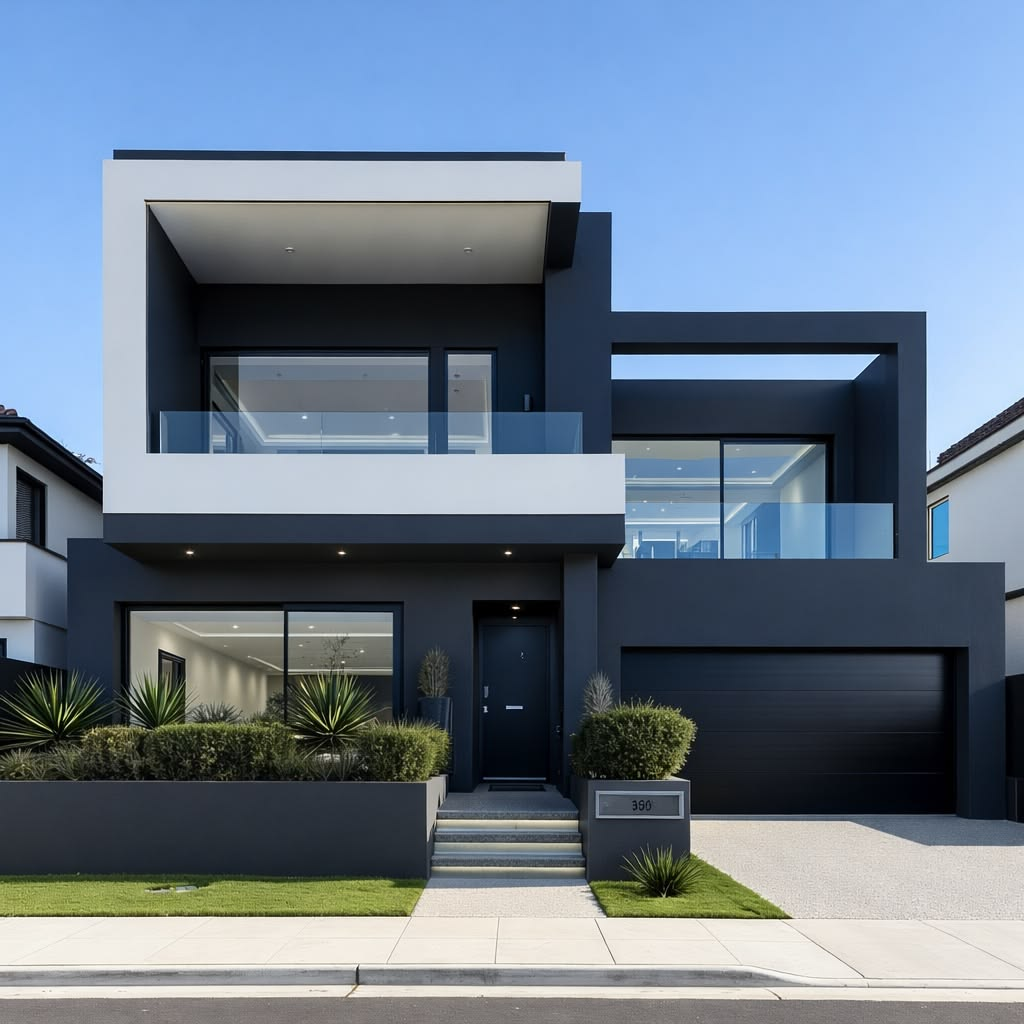
When we talk about the practical space you’ll inhabit daily, the primary concept in the U.S. real estate market is Gross Living Area (GLA). As an appraiser or seasoned agent will tell you, GLA refers specifically to the total area of finished, heated, and above-grade residential space. This is the space where you actually live, entertain, and place your furniture.
Crucially, “finished” means that the space meets local building codes for living areas, complete with flooring, walls, ceilings, and utilities. “Heated” ensures it’s climate-controlled year-round, making it truly habitable. And “above-grade” dictates that it’s above the natural ground level, distinguishing it from basements, even if they are finished.
What typically counts towards GLA?
Bedrooms, bathrooms, kitchens, living rooms, dining rooms.
Enclosed sunrooms or porches that are permanently heated and finished to the same standard as the rest of the home.
Interior hallways and stairwells connecting these primary living areas.
What’s explicitly excluded from GLA?
Garages (attached or detached).
Unfinished basements or attics.
Enclosed porches or sunrooms that are not heated or finished to the home’s standard.
Exterior spaces like open decks, patios, or balconies.
Storage sheds or other accessory structures.
Understanding GLA is paramount because it’s the metric most commonly used by appraisers for property valuation services and lenders for mortgage financing. When comparing two homes, a higher GLA generally translates to a more valuable property, assuming all other factors are equal. However, as we’ll explore, GLA doesn’t tell the whole story of a property’s total footprint or its potential.
Beyond the Walls: Total Enclosed Square Footage
While GLA provides a clear picture of your primary living space, a property’s total square footage often encompasses more. This is where the intricacies begin, and where confusion frequently arises. In broad terms, total square footage refers to the entire area enclosed within the exterior walls of a structure, regardless of whether it’s considered “livable” by GLA standards.
For a single-family home, this typically means measuring from the exterior foundation up. This gross measurement includes:
All GLA.
Interior structural walls and partitions.
Finished or unfinished basements (often reported separately).
Attached garages.
Even sometimes crawl spaces or attics if they are accessible and enclosed within the primary structure, though these are typically not counted towards marketable square footage.
The way builders, tax assessors, and real estate agents define and report this building square footage can vary significantly. Some might advertise the “footprint” of the home, which includes the garage and all levels, while others will focus solely on above-grade finished space. This discrepancy is a primary reason why, as a buyer, you must always clarify what measurements are being used. Are we looking at usable square footage, or the entire total square footage of the building?
The Basement Conundrum:
Basements are a prime example of this measurement variability. A fully finished basement, complete with egress windows, heating, and quality finishes, offers significant utility. However, because it’s below-grade, it rarely contributes dollar-for-dollar to the property valuation in the same way above-grade space does. Appraisers will typically value finished basement space at a lower rate per square foot than GLA, and some real estate listings might report “total finished square footage” including the basement, while others will separate “above-grade square footage” and “below-grade finished square footage.” Always ask for the breakdown. This distinction is crucial for an accurate home equity loan calculation or understanding your potential resale value.
Navigating the Nuances: Transparency and Verification in US Real Estate
Unlike some international markets that might have a centralized “RERA Built-Up Area” standard for highly regulated transparency, the U.S. real estate landscape for real estate square footage is more fragmented. There isn’t a single, universally mandated method for measuring and reporting square footage across all states, counties, or municipalities. This variability necessitates extreme diligence.
Why the Discrepancies?
Builder Measurements: New construction often advertises square footage based on architectural plans, which may be “builder’s measurements” that round up or include areas slightly differently than an appraiser’s method.
Tax Assessor Records: Local tax authorities maintain records of property size, but these measurements are primarily for tax assessment purposes. They may be historical, less precise, or use different rules (e.g., including garages or portions of basements in “total area” calculations) than what a buyer considers “livable.”
Real Estate Agent Listings: Agents rely on various sources—seller declarations, tax records, previous appraisals, or builder plans. While most agents strive for accuracy, errors can occur, or they might present the most favorable number to market the property.
Appraisal Square Footage: Appraisers are trained professionals who adhere to specific Uniform Standards of Professional Appraisal Practice (USPAP) guidelines. They typically measure from the exterior of the house and adhere strictly to GLA definitions. Their measurement is often the most reliable for lending purposes.
In my experience, you should never take a listed square footage at face value without question. As a buyer or seller, you have a responsibility to verify. This is where professional property measurement comes into play. Engaging a qualified appraiser or a specialized measurement service to verify the dimensions can be a wise investment, particularly for high-value real estate or if there’s any doubt about the listed figures. This due diligence protects you from overpaying and mitigates risks during resale.
Consider local regulations, too. What’s counted in Florida might differ slightly from California or Texas due to varying building codes, climate considerations, and historical practices. Always inquire about the source of the square footage and, if necessary, seek an independent verification to ensure you’re making an informed decision about the property’s true size and potential.
Beyond Your Walls: Common Areas and Shared Ownership
The discussion of real estate square footage takes on another dimension when we enter the world of condominiums, co-operatives, and planned unit developments with homeowners’ associations (HOAs). In these scenarios, you’re not just buying the space within your unit’s private walls; you’re also acquiring a proportionate share of the building’s common area square footage.
This is analogous to the concept of a “super built-up area” in other markets, representing the total footprint of the property including both individual and shared spaces. In the US, this manifests as your ownership interest in:
Common Interest Elements: Lobbies, hallways, stairwells, elevators.
Amenities: Gyms, swimming pools, clubhouses, shared gardens, rooftop decks.
Infrastructure: Parking structures, utility rooms, mechanical spaces.
Your private unit’s square footage (often akin to GLA, but measured from the center line of shared walls) is the space you exclusively own. However, your ownership stake in the entire development is tied to your proportionate share of the common elements. This share dictates:
HOA Fees: A significant portion of your monthly HOA fees goes towards maintaining, insuring, and improving these common areas. A larger proportionate share often means higher fees.
Voting Rights: In many associations, voting power on key decisions is tied to your percentage of ownership.
Property Valuation: While your unit’s private square footage is the primary driver of its individual value, the quality and extent of the common amenities contribute to the overall appeal and property valuation of the entire complex. A luxury condo building with extensive amenities will command a higher price per private square foot than a basic one, reflecting the value of these shared spaces.
For buyers of condos or co-ops, it’s critical to understand both your individual unit’s square footage and the implications of your common interest. Reviewing the master deed, HOA documents, and offering plans will provide clarity on how common elements are defined, allocated, and managed. This holistic view of total property footprint ensures you’re not just buying a unit, but consciously investing in a community and its shared infrastructure.
The Financial Implications: Square Footage and Your Wallet
The number of square feet a property possesses directly correlates with its financial implications, affecting everything from purchase price to long-term costs. The most immediate impact is on the listing price and, subsequently, the actual sale price. Developers, sellers, and agents frequently quote a “price per square foot” to compare properties.
Price Per Square Foot: A Double-Edged Sword:
This metric, calculated by dividing the total price by the square footage, is a common benchmark. However, it’s essential to use it cautiously.
Comparability: Ensure you are comparing apples to apples. Is the square footage derived from GLA, total enclosed area, or some other measurement? Are the properties truly comparable in terms of age, condition, features, and location?
Context: A smaller, meticulously renovated home in a prime location might have a higher price per square foot than a larger, older home needing significant updates. Context is everything. For luxury property appraisal, the “price per square foot” can be exceptionally high due to premium finishes, unique architectural design, and exclusive amenities that raw square footage alone cannot capture.
Limitations: Price per square foot doesn’t account for layout efficiency, natural light, views, lot size, or neighborhood amenities, all of which heavily influence value.
Beyond the initial purchase, real estate square footage impacts:
Property Taxes: Local tax assessors base their calculations, in part, on the size of your property. More square footage generally means higher taxes.
Insurance Premiums: Homeowner’s insurance policies consider the cost to rebuild your home. A larger home naturally costs more to rebuild, leading to higher premiums.
Utility Costs: Larger homes typically require more energy to heat, cool, and light, resulting in higher monthly utility bills.
Renovation Costs: Every square foot added or renovated contributes to the overall project cost. Understanding accurate dimensions is vital for budgeting future improvements.
Property Valuation Services: For a property appraisal cost, the size of the home is a primary input. Appraisers meticulously measure to arrive at a fair market value for lending and other purposes.
Savvy investors engaged in real estate consulting often scrutinize square footage, understanding its profound impact on cash flow, potential rental income, and resale value. Accurate property dimensions are the bedrock of sound financial analysis in real estate.
Empowering Your Real Estate Journey: Expert Tips for Buyers & Sellers
After a decade of watching transactions unfold, I can’t stress enough the importance of being proactive and informed regarding real estate square footage. Whether you’re a first-time buyer or a seasoned investor, these expert tips will empower you:
Always Clarify the Source and Definition: When reviewing listings or property documents, never assume. Ask specifically what real estate square footage is being reported (e.g., GLA, total enclosed, above-grade, below-grade finished) and what the source is (e.g., tax records, builder plans, recent appraisal).
Request Floor Plans: Visualizing the layout with detailed floor plan measurements can offer a clearer understanding of how space is utilized, often more effectively than just a number. It helps you assess functionality, flow, and potential for future changes.
Cross-Reference Data: Don’t rely on a single source. Compare the listed square footage against public tax records, previous appraisals (if available), and builder specifications. Be prepared for slight variations.
Consider Professional Measurement for Crucial Decisions: For high-value real estate, if there’s significant discrepancy, or if the square footage directly impacts a critical financial decision (like a refinance or an investment property analysis), consider hiring a licensed appraiser or a professional property measurement service. This relatively small upfront cost can save you tens of thousands of dollars and legal headaches down the line.
Understand “Effective” vs. “Advertised” Space: Some spaces, like steeply sloped attic rooms or areas with low ceilings, might be included in a “total square footage” but offer limited usable space. Focus on what you can truly use in your daily life.
Evaluate for Your Lifestyle: Don’t get solely fixated on the numbers. A well-designed, smaller home might feel more spacious and function better for your needs than a larger, poorly laid-out one. Consider your specific space requirements, whether you need a dedicated home office (a growing trend in 2025!), ample storage, or expansive entertaining areas.
Sellers: Be Transparent and Accurate: When selling, provide accurate measurements and be prepared to disclose their source. Misrepresenting square footage, even unintentionally, can lead to serious legal issues and erode buyer trust. Obtaining a fresh property appraisal cost for your home’s square footage can be a valuable marketing tool and provide peace of mind.
Understanding real estate square footage is more than just counting numbers; it’s about comprehending the tangible and financial value of a property. It requires diligence, a critical eye, and an understanding of industry standards. As the market evolves, with more emphasis on precise data and transparent transactions, mastering these concepts will empower you to make smarter, more confident real estate decisions.
Ready to delve deeper into your next real estate venture, ensuring every square foot is accurately accounted for and strategically leveraged? Don’t leave your most significant investment to guesswork. Contact our expert team today for personalized real estate consulting and professional property valuation services, guaranteeing clarity and confidence in your next transaction.