
The American Dream Deferred: Navigating the Deepening Affordable Housing Crisis
For nearly a decade, the echoes of a red-hot housing market, ignited by historically low mortgage rates and amplified by the unique dynamics of the early pandemic years, have reverberated through the American landscape. This prolonged period of unprecedented demand and constricted supply has fundamentally reshaped how we perceive homeownership, pushing the very notion of an “affordable home” further out of reach for an alarming segment of the population. As an industry veteran with ten years immersed in the intricate ebb and flow of real estate, I’ve witnessed firsthand the compounding challenges that have led us to this precarious point. The dream of owning a home, once a cornerstone of the American narrative, is becoming increasingly elusive, particularly for middle and lower-income households.
Recent data, notably from a comprehensive report by the National Association of Realtors and Realtor.com, paints a stark picture of the current state of affordable housing in America. This isn’t a minor blip; it’s a systemic issue affecting more than 40% of the nation’s 100 largest metropolitan areas. The report meticulously details how affordability, measured against standard underwriting guidelines for a 30-year fixed mortgage where housing costs do not exceed 30% of gross income, has deteriorated significantly compared to pre-pandemic levels. The consequences are palpable: home sales in the lower and middle price tiers consistently lag behind the more robust performance of the high-end market, creating a bifurcated and increasingly inequitable housing ecosystem.

Let’s delve deeper into the numbers. Consider households earning between $75,000 and $100,000 annually – often categorized as middle to upper-middle income. While there’s been a slight uptick in the percentage of available homes they can afford this year compared to last, the improvement is marginal. In March 2024, a mere 20.8% of listings were within their financial reach. By March 2025, this figure crept up to 21.2%. However, a stark comparison to March 2019 reveals the true depth of the crisis. In the pre-pandemic era, these same households could afford a substantial 48.8% of all active listings. This represents a staggering decline in purchasing power, leaving a significant portion of the population locked out of opportunities that were once readily available.
According to the report, a truly balanced market – one where supply adequately meets demand – would allow this income bracket to afford approximately 48% of all listings. To achieve this balance based on current inventory levels, the market would necessitate an influx of roughly 416,000 additional homes priced at or below $255,000. This illustrates the immense gap between current reality and the conditions required for a healthy, accessible housing market.
The situation is even more dire for those earning below $75,000 annually. For a homebuyer with a $50,000 salary, the percentage of available listings they could afford has dwindled to a mere 8.7% as of March 2025. This represents a stark contrast to the 9.4% they could afford in March 2024 and a precipitous fall from the 27.8% they could manage in March 2019. This income group faces the most significant barriers, effectively facing a closed door to homeownership in many regions.
Conversely, higher-income households, those earning $250,000 or more, continue to enjoy near-unfettered access to the housing market, able to afford at least 80% of available listings. This widening chasm between the haves and have-nots in the housing sector exacerbates economic inequality and creates significant social and financial stratification.
Danielle Hale, chief economist at Realtor.com, astutely observes, “Shoppers see more homes for sale today than one year ago, and encouragingly, many of these homes have been added at moderate-income price points. But as this report shows, we still don’t have an abundance of homes that are affordable to low- and moderate-income households.” Her point underscores a critical nuance: while inventory is increasing, it’s not necessarily increasing at the price points that address the most pressing affordability challenges.
Furthermore, the gains in housing inventory have not been distributed evenly across the nation. The report highlights that these improvements have been predominantly concentrated in the Midwest and the South. These regions, often characterized by lower costs of living and more accessible land for development, are beginning to see a recalibration.
Metropolitan Areas Experiencing Affordability Gains and Those Still Struggling:
While the national overview is essential, real estate is inherently local. Certain markets in the Midwest, such as Akron, Ohio; St. Louis; and Pittsburgh, are now considered to be in a more balanced state, exhibiting sufficient supply to meet existing demand. These areas have benefited from a confluence of factors, including sustained new construction and a less frenzied demand. Other markets, like Raleigh, North Carolina; Des Moines, Iowa; and Grand Rapids, Michigan, have made significant strides in adding more affordable listings, although they still fall short of fully meeting the pent-up demand.
However, the shadow of the affordability crisis looms large over a significant portion of the country. Over 40% of the nation’s 100 largest metropolitan areas continue to grapple with severe affordability challenges. Cities like Seattle and Washington, D.C., exemplify this struggle. Despite some increase in the supply of affordable homes, households in these high-cost urban centers would need to earn upwards of $150,000 annually to afford even half of the available housing stock. This places a substantial burden on residents, impacting their ability to save, invest, and build long-term wealth.
Encouragingly, some previously overheated markets are beginning to cool and offer more attainable price points. Austin, Texas; San Francisco; and Denver, which experienced meteoric price appreciation in recent years, are now witnessing a substantial increase in the supply of affordable homes. In fact, these markets have now surpassed their pre-pandemic levels of affordability, a testament to market corrections and, in some cases, successful policy interventions. “It tells us that with the right mix of new construction, market shifts, and local policy efforts, even some of the most challenging markets can start to bend toward balance,” the report’s authors aptly conclude. This offers a beacon of hope, suggesting that with targeted strategies, a return to balance is achievable.
The Widening Chasm: Markets Where Affordability is Deteriorating
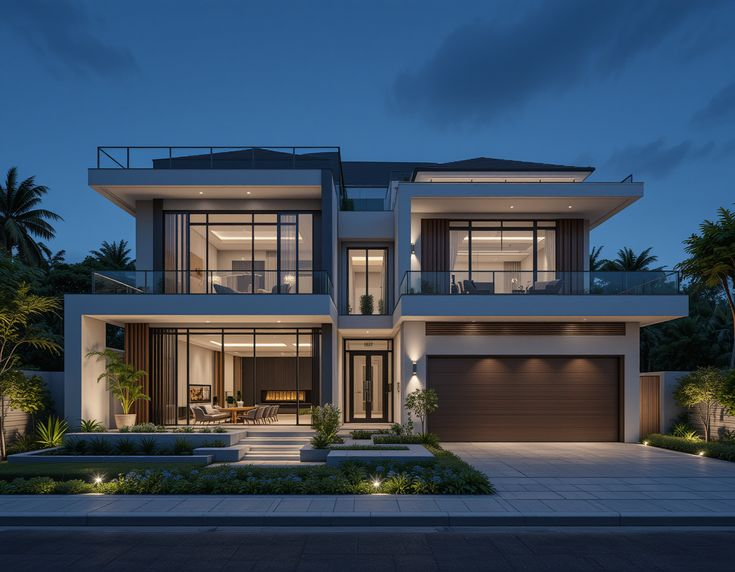
Yet, a disturbing trend persists: certain markets are not just failing to improve but are actively worsening in terms of housing affordability. Many of these problem areas are concentrated in Southern California, including the notoriously expensive markets of Los Angeles and San Diego. New York City also falls into this grim category. The report attributes this deterioration to a complex interplay of factors: decades of insufficient new housing construction, a severely limited supply of buildable land, escalating construction costs, restrictive zoning regulations that stifle development, and a rapid influx of new residents.
The challenges faced by homebuilders in these distressed markets are multifaceted. While there’s a clear demand for more affordable housing, the cost of materials, labor, and land remains prohibitively high. Furthermore, the specter of increased tariffs on imported building materials and evolving immigration policies could further inflate construction costs, making it even more challenging to deliver homes at accessible price points. This is reflected in construction data: single-family housing starts in March were nearly 10% lower than in the same month of the previous year, indicating a slowdown in the very supply needed to alleviate the crisis.
The implications of this housing affordability crisis in the US extend far beyond individual homeownership. It impacts workforce retention, economic mobility, and the overall social fabric of communities. When essential workers, young families, and even middle-class professionals cannot afford to live where they work, it strains local economies, increases commute times, and exacerbates traffic congestion. The dream of building equity and securing one’s financial future through homeownership is becoming a distant fantasy for too many Americans.
Navigating the Current Real Estate Landscape: Expert Insights and Emerging Trends
As we look ahead to 2025 and beyond, the real estate industry faces a critical juncture. The persistent imbalance between supply and demand, particularly at the lower and middle price tiers, demands innovative solutions and a renewed focus on policy. We are seeing increased interest in starter homes for sale as a crucial entry point for first-time buyers, yet the scarcity of these properties remains a significant hurdle. Discussions around first-time home buyer programs and potential reforms to zoning laws are gaining momentum, but their widespread implementation and impact are yet to be fully realized.
The rise of multi-family housing construction continues, offering a more immediate solution to urban housing shortages, but it does not address the fundamental desire for single-family homeownership. Furthermore, the affordability of new construction homes is often out of reach for many due to the high cost of labor and materials. This has also led to a surge in demand for fixer-upper homes, as buyers look for opportunities to renovate and add value, but even these properties require significant capital for renovations, making them inaccessible for some.
For those actively navigating this challenging market, understanding median home prices in the US and how they fluctuate by region is paramount. This requires diligent research, patience, and often, a willingness to explore less traditional housing options or less saturated markets. The idea of buying a home in a less expensive state is becoming increasingly attractive for remote workers and those seeking greater financial flexibility.
The conversation around real estate market trends must also acknowledge the increasing importance of technology. Online listing platforms, virtual tours, and data analytics provide valuable tools for buyers and sellers alike, but they cannot substitute for fundamental market dynamics. The ability to identify affordable neighborhoods within commuting distance of major employment hubs remains a critical search criterion for many.
The persistent narrative of housing market instability is a concern that requires a proactive and collaborative approach. Industry professionals, policymakers, and community leaders must work in concert to address the root causes of this crisis. This includes incentivizing the construction of diverse housing types, streamlining permitting processes, and exploring innovative financing solutions. The goal must be to foster a housing market that is not only functional but also equitable and accessible to all Americans, ensuring that the American Dream remains within reach for generations to come.
The current landscape of US housing affordability is a complex tapestry woven with threads of economic disparity, supply chain challenges, and evolving consumer needs. As an expert deeply entrenched in this field, I can attest that the path forward requires a multifaceted approach. For individuals looking to enter or re-enter the housing market, understanding the current real estate investment opportunities while remaining realistic about affordability is key. Exploring rent-to-own programs, carefully considering condo vs. house pros and cons, and diligently researching mortgage rates today are all crucial steps in the decision-making process. The journey to homeownership may be more arduous now, but with informed strategy and persistent effort, it remains an achievable goal for many.
For those ready to take the next step in understanding their options or to explore specific markets, connecting with local real estate professionals who possess deep knowledge of affordable housing solutions in [Your City/Region – e.g., Dallas affordable housing, Chicago starter homes] can provide invaluable guidance. Let’s work together to chart a course toward a more accessible and sustainable housing future.