
Navigating the Shifting Sands of the US Housing Market in 2025: An Expert’s Perspective
The American housing market in 2025 presents a complex tapestry of persistent affordability challenges, evolving consumer preferences, and a dynamic construction landscape. As an industry veteran with a decade of boots-on-the-ground experience, I’ve observed firsthand how macroeconomic forces intertwine with localized market conditions to shape the trajectory of residential real estate. This year, the narrative is one of resilience amidst headwinds, with homebuilders actively employing strategic incentives to stimulate demand in a somewhat subdued but fundamentally robust market. Understanding the intricate interplay of mortgage rates, affordability metrics, and emerging growth trends is paramount for anyone looking to invest, buy, or simply comprehend the pulse of this vital sector.
The US housing market in 2025 is currently characterized by a bifurcated sentiment among those who build homes. While overall homebuilder confidence, as measured by the National Association of Home Builders/Wells Fargo Housing Market Index, has trended lower for much of the year, there have been fleeting moments of optimism, notably a mid-year uptick in July. This fluctuating sentiment reflects the delicate balance homebuilders must strike between managing construction costs, responding to buyer affordability constraints, and anticipating future demand.
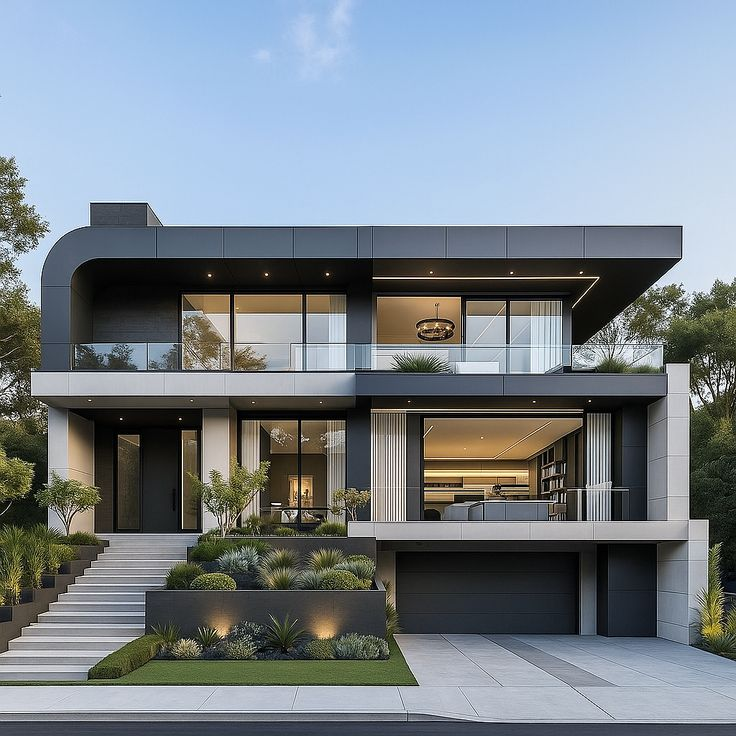
A significant underlying trend that continues to sculpt the US housing market analysis is the sustained growth in renter-occupied households outpacing that of owner-occupied ones. This phenomenon, particularly pronounced at the close of the first quarter of 2025, is a direct consequence of persistent affordability hurdles that push homeownership further out of reach for many, coupled with an increased supply of multifamily units entering the rental inventory. We are witnessing a strategic shift where a larger segment of the population is opting for or is compelled into the rental market, a trend that has been building momentum over the past several quarters. The data from the U.S. Census Bureau, as of July 18, 2025, clearly illustrates this divergence, with renter-occupied units showing a more robust year-over-year increase compared to their owner-occupied counterparts. This underscores a critical aspect of US housing market trends, indicating a growing demand in the rental sector and a potential bottleneck for aspiring homeowners.
Looking ahead, my projections for single-family home construction indicate a period of modest contraction before a significant rebound. We anticipate single-family housing starts to decline by approximately 3.0% in 2025 and a further 0.5% in 2026. This slowdown is primarily attributable to the prevailing economic uncertainties and the persistent impact of higher mortgage rates on buyer purchasing power. However, the outlook for 2027 is considerably brighter, with a strong rebound expected as economic confidence solidifies and a projected easing of mortgage rates dramatically improves affordability. This anticipated resurgence is underpinned by a long-term forecast of an average of 1.1 million single-family homes started annually over the next decade, suggesting a continued need for new housing stock, particularly to accommodate the growing headship rates among younger Americans.
The multifamily construction sector, conversely, has demonstrated more resilience than initially anticipated this year. We now project multifamily starts to see a healthy increase of 6% in 2025. However, this segment is also poised for a recalibration, with an expected decline of roughly 5% in 2026. Beyond this adjustment period, the forecast points towards a steady, low single-digit annual growth rate, reaching an estimated 0.4 million units by 2029. The underlying drivers for this sustained multifamily development are the persistent undersupply of affordable housing options across the nation and the eventual reduction in interest rates, which will further catalyze new construction. While our 2025 starts forecast aligns closely with general consensus, our more cautious view for 2026 stems from the anticipated market digestion of the current influx of new multifamily supply and the potential for homebuilders to exit 2025 with a surplus of unsold inventory. Our more optimistic 2027 outlook is intrinsically linked to our more dovish interest rate projections, which are expected to invigorate demand across the broader housing spectrum.
The real estate investment opportunities within the US housing market outlook are also influenced by the complex dynamics of material costs and trade policies. Stocks exposed to the US housing market have, unfortunately, underperformed the broader US equity market through the first half of 2025. Homebuilder stocks, in particular, have faced the brunt of this underperformance, driven by market concerns over elevated unsold inventory and the resulting pressure on their pricing power. Companies with significant exposure to imports from China have also felt the sting, though the fluidity of US trade policy introduces an element of constant reevaluation.
However, the construction industry is demonstrating remarkable adaptability. A key factor bolstering this resilience is the diverse supplier base among leading homebuilders and retailers, which allows for a more agile product strategy. While imports from China, Mexico, and Canada constitute a notable portion of construction materials, the total value of such imports in 2023 was approximately $13 billion out of a total of $184 billion in goods used for new single-family home construction. This indicates a substantial domestic component and a degree of insulation. Crucially, goods compliant with the United States-Mexico-Canada Agreement (USMCA) are exempt from tariffs. This exemption acts as a significant buffer, particularly for items like HVAC equipment manufactured in Mexico, thereby mitigating potential cost escalations and easing financial burdens on the industry. This nuanced understanding of the supply chain is vital for any astute real estate investor.

A significant factor currently impacting housing turnover and shaping US housing market analysis for 2025 is the pervasive “rate lock-in” effect. As of the first quarter of 2025, a substantial 69% of outstanding mortgages carried a contract rate of 5% or less, with a notable 24% falling below 3%. This, coupled with the scarcity of available homes for sale and the ongoing affordability crisis, has kept a considerable number of first-time homebuyers on the sidelines. For context, the average 30-year fixed-rate mortgage has been hovering around the 7% mark since late 2024. This elevated rate environment has demonstrably discouraged both prospective buyers and existing homeowners from making moves, leading to a material reduction in housing turnover. Reports estimate that this rate lock-in effect has prevented as many as 1.72 million home sales between the second quarters of 2022 and 2024.
In response, homebuilders have strategically increased their inventory of “spec homes” (also known as “quick move-in homes”) and amplified sales incentives, such as mortgage rate buydowns, to attract buyers. While this strategy proved successful for homebuilders over the past couple of years, the widespread adoption of spec building has led to an almost quadrupling of unsold completed homes since the spring of 2022. My expectation for the remainder of 2025 is a gradual unwinding of this excess inventory. This will be facilitated by continued sales incentives aimed at maintaining a steady sales pace, alongside a more judicious approach to initiating new spec home construction. Indeed, single-family housing starts have been on a year-over-year declining trajectory for six consecutive months, reflecting this strategic recalibration. For those exploring US real estate investment strategies, understanding this inventory adjustment is key.
Affordability remains the quintessential headwind for the US housing market. The median sales price for existing homes experienced a dramatic 50% surge between 2019 and 2024, climbing from $271,900 to $407,600, according to the National Association of Realtors. Although price appreciation experienced a deceleration in the latter half of 2022 and briefly turned negative in the spring of 2023, it subsequently recovered, averaging around 4% year-over-year since July 2023. More recently, existing home price appreciation has moderated, with the May median price showing a year-over-year increase of just 1.3%.
The S&P CoreLogic Case-Shiller U.S. National Home Price Index, which adjusts for constant quality to eliminate variations in home type, size, or features, paints a similar picture. This index saw its year-over-year change decelerate through much of 2022 and briefly dipped into negative territory in May 2023 (-0.3% year-over-year). However, since the fall of 2023, the index has demonstrated a 5% increase. To combat these affordability challenges, homebuilders have become increasingly creative, implementing sales incentives, reducing base prices, and offering smaller floor plans and lot sizes. These measures have been instrumental in bolstering new-home sales. The National Association of Home Builders reported that 62% of builders offered incentives, such as mortgage rate buydowns, in July, with 38% indicating they had reduced base prices by an average of 5%. This strategic adjustment has significantly compressed the historical new-home price premium. For individuals or entities seeking to invest in US real estate markets, these pricing dynamics offer crucial insights.
Considering the current landscape of US housing market investment opportunities, it’s important to note specific companies that have demonstrated resilience or potential. As of June 24, Morningstar has highlighted Lennar (LEN) for its homebuilding operations, Fortune Brands Innovations (FBIN) as a building products manufacturer, Wayfair (W) in the home goods sector, and Sun Communities (SUI) as a residential REIT. My assessment is that the market may not fully appreciate Lennar’s capital-efficient operational model. Fortune Brands Innovations, while facing scrutiny, holds promise for future growth and profit margin expansion. Weyerhaeuser (WY) offers diversified exposure to wood products and a valuable timberland portfolio. Wayfair’s advertising and B2B initiatives are expected to propel its growth, and Sun Communities is projected to deliver above-average same-store net operating income growth within the REIT sector over the coming years.
In conclusion, while the US housing market trends for 2025 present a complex interplay of challenges and opportunities, a seasoned perspective reveals underlying strengths and strategic adaptations. Affordability remains a key concern, driving a larger renter population and necessitating innovative approaches from homebuilders. The resilience of the construction supply chain, coupled with the potential for moderating mortgage rates in the future, suggests a robust long-term outlook. For those actively involved in or observing the US housing market, staying informed about these evolving dynamics is not just beneficial, it’s essential for informed decision-making.
If you’re looking to navigate this intricate market, whether as a buyer, seller, or investor, understanding these key trends and leveraging expert insights can make all the difference. Let’s discuss how these factors might align with your specific goals in the American real estate landscape.