
The American Housing Landscape: Navigating Spring 2026 Amid Shifting Dynamics
The nation’s housing market is finding its footing as spring 2026 unfolds, presenting a complex tableau of cautious optimism interwoven with lingering economic uncertainties. After a period of rapid escalation, the American housing market is exhibiting a tangible transition. Mortgage rates, while showing signs of stabilization, continue their delicate dance, yet a notable improvement in housing affordability is now marking its eighth consecutive month. For prospective homeowners, the landscape offers a welcome expansion of choices, a stark contrast to the lean years of limited inventory. However, persistent economic headwinds, including localized job market recalibrations and the ever-present specter of global geopolitical tensions, are compelling many households to maintain a watchful stance. This comprehensive analysis delves into the intricate currents shaping the U.S. housing market today, providing an expert perspective for anyone looking to buy, sell, or invest in the coming months.
Key Indicators Shaping the American Housing Market in April 2026:

Price Moderation: Year-over-year home price appreciation has settled to a modest 0.4%, reaching an average of $366,019. This signifies a market moving away from rapid appreciation towards a more sustainable growth trajectory.
Inventory Growth: The active housing inventory has climbed to 1.23 million homes, reflecting a 4.2% increase year-over-year. This sustained growth in available properties marks the 28th consecutive month of annual inventory expansion, offering buyers a broader selection than has been seen in years.
Buyer Enthusiasm: Despite fluctuating rates, buyer demand remains robust. Listing views have surged by an impressive 32% compared to the same period last year, underscoring a continued interest in homeownership.
Inflationary Environment: The current inflation rate stands at 3.3%, a figure influenced by recent energy cost increases. While some components of inflation may be softening, the cost of everyday goods remains a consideration for household budgets.
Seller Expectations: A significant 83% of sellers anticipate receiving their full asking price or more. However, a notable shift is occurring, with 39% of sellers now acknowledging the likelihood of offering concessions to secure a sale, indicating a market leaning towards greater balance.
The Macroeconomic Backdrop: A Stabilizing, Yet Cautious Economy
The broader economic environment is a critical determinant of the American housing market’s trajectory. Inflation has seen a recent uptick to 3.3%, largely propelled by a substantial 21% surge in gasoline prices, which inevitably translates to higher daily expenditures for consumers.
On the employment front, the job market continues to demonstrate resilience. March saw the addition of 178,000 jobs, and the unemployment rate remains anchored at 4.3%. This consistent stability provides a foundational layer of confidence for potential homebuyers, although the nature of job growth and industry-specific performance warrants ongoing observation.
Federal Reserve policy remains a central theme. Cleveland Fed President Beth Hammack has indicated expectations that interest rates will likely remain on hold for the foreseeable future, hovering within the 3.5% to 3.75% range. This stance reflects the Fed’s deliberate approach, awaiting further clarity on the evolving inflation landscape and the persistent strength of the labor market before considering any policy adjustments.
Further signaling potential easing of inflationary pressures, wholesale prices rose by a less-than-expected 0.5% in March. While energy costs have exerted upward pressure, this data point suggests that underlying inflationary forces may be beginning to recede.
In a significant development for the future of work, business leaders are increasingly vocal about the transformative potential of Artificial Intelligence (AI). The prevailing sentiment among CEOs is that AI will serve as a powerful tool for augmenting human capabilities and boosting productivity, rather than leading to widespread job displacement. This perspective holds long-term implications for the demand for housing in various economic hubs and the skills required for future employment.
National Housing Market Trends: A Balanced Transition Unfolding
The prevailing narrative in the U.S. housing market for Spring 2026 is one of a market recalibrating towards equilibrium. Price growth is demonstrably slowing, while the supply of available homes is on the rise, and crucially, affordability is beginning to improve. While buyer demand remains a strong underlying current, the preferences and financial capacities of where buyers are choosing to invest, and what features they prioritize, are undergoing a subtle yet significant evolution.
The average U.S. home value has appreciated by a mere 0.4% year-over-year, settling at approximately $366,019. Homes are taking roughly 31 days to go pending, a pace that suggests a market moving away from the frenzied bidding wars of recent years towards a more measured transaction environment.
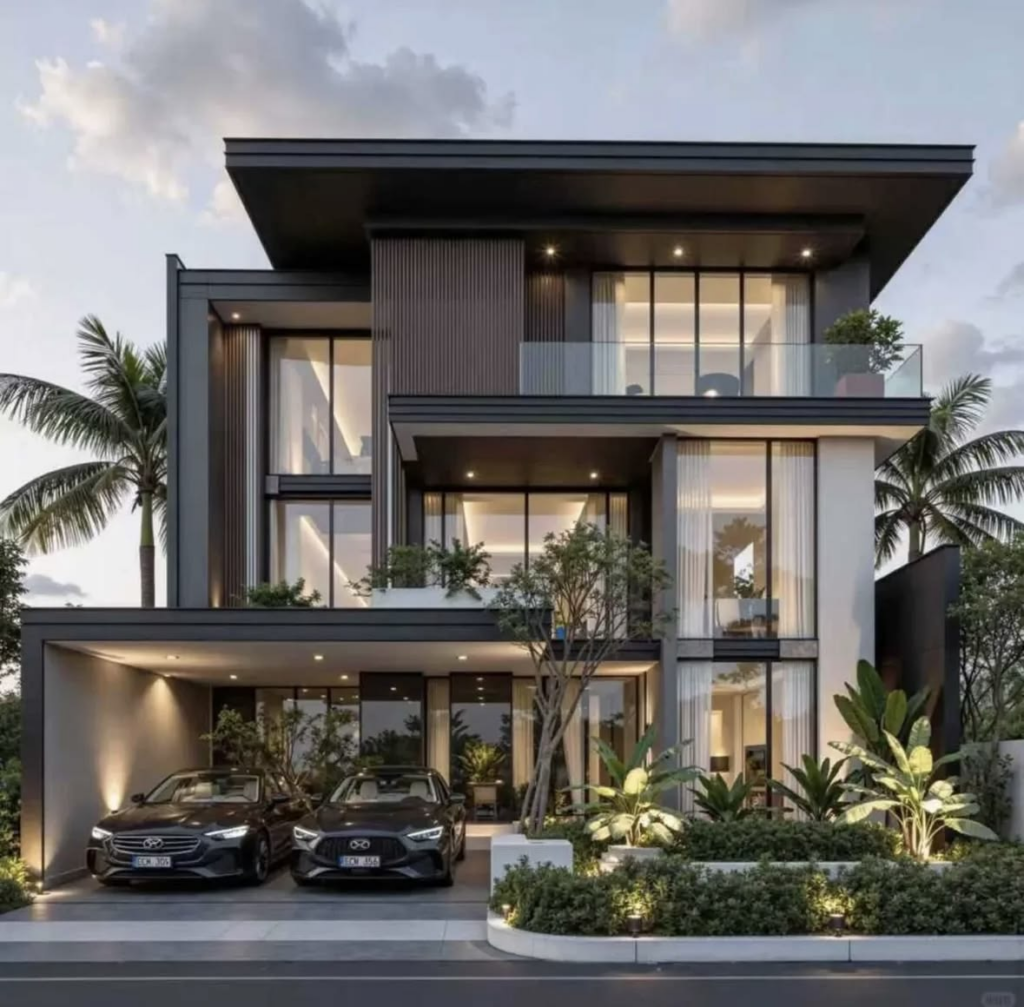
Crucially, in the most robust housing markets across the nation, up to 68% of available listings are now within the financial reach of median-income buyers. This represents a substantial turnaround from the exclusionary market conditions of previous years, opening doors for a wider demographic of first-time homebuyers.
The rental market is also signaling a period of moderation. Apartment rents are projected to grow by only 0.8% year-over-year, with single-family rents showing a slightly higher, yet still modest, increase of 1.8%. This flattening in rental cost escalation is a welcome development, alleviating some of the affordability pressures that have burdened many households.
Buyer engagement remains remarkably strong, evidenced by a 32% year-over-year increase in listing views, even with the recent uptick in mortgage rates during March. This sustained interest points to a deep-seated desire for homeownership that transcends short-term rate fluctuations.
The ongoing expansion of inventory is a significant development. With 1.23 million homes currently on the market, active listings have grown by 4.2% annually. This consistent increase, now in its 28th consecutive month of year-over-year growth, provides buyers with a much-needed breadth of options and a stronger negotiating position.
A discernible trend is emerging regarding the features buyers are actively seeking. Homes boasting desirable lifestyle amenities such as private docks, outdoor kitchens, and fireplaces are commanding a premium, selling for up to 5.4% more than comparable properties. Conversely, the market is showing a distinct preference for move-in ready homes. Turnkey properties are fetching approximately 2.9% more, while fixer-uppers are experiencing a significant discount, selling for up to 14% less, as buyers increasingly seek to avoid the costs and complexities associated with renovations.
Furthermore, mid-to-high priced homes have demonstrated the strongest appreciation, with year-over-year gains of 1.4%. This indicates that demand in these segments remains more resilient compared to the lower end of the market, where affordability may still be a constraint for some buyers.
Homeownership affordability has achieved a new level of stabilization for the first time in three years. Currently, 20.4% of renters nationwide can afford to purchase a home, a slight uptick from 20.2% last year, following a sharp decline in affordability since 2021. This gradual improvement is a critical factor in the long-term health of the American housing market.
The wealth-building power of homeownership continues to be a significant driver. Over 24 million U.S. households now boast a net worth exceeding $1 million, with one-third of these million-dollar households established since 2017, a substantial portion attributed to the appreciation of home equity.
Buying power is also on the upswing. The typical monthly mortgage payment is now 4.4% lower than it was a year ago, effectively increasing affordability by approximately $20,000 for median-income households. This enhanced buying capacity is a crucial element in stimulating market activity.
National Housing Policy and Industry Innovations: Shaping the Future of Homes
The current landscape of housing policy, technological advancements, and the persistent pursuit of affordability are actively reshaping how homes are constructed and transacted across the nation.
Forward-thinking cities in Texas and Colorado are embracing AI to accelerate housing development processes. Early results from these initiatives are highly encouraging, demonstrating a 50% reduction in permit review times and shortening project timelines by weeks, a crucial step in addressing housing shortages.
A significant policy push is underway for a nationwide flood disclosure rule. With FEMA facing substantial financial losses—estimated between $6.4 billion and $7.4 billion from Hurricane Helene alone—this measure aims to equip buyers with critical information about flood risks, thereby mitigating future financial exposure and enhancing community resilience.
Seller confidence remains robust, with the vast majority (83%) expecting to achieve their asking price or higher. However, the market is evolving. The proportion of sellers anticipating the need to offer concessions has risen to 39%, a notable increase from 30% last year. This trend signifies a market that is gradually transitioning from a strong seller’s advantage towards a more balanced environment where negotiation plays a more prominent role.
A broad consensus exists among most U.S. mayors regarding the urgent need for increased housing supply. However, a significant disconnect persists, with only about one-third identifying restrictive local zoning regulations as a primary obstacle. Despite this, a strong majority, exceeding 75%, express support for increased housing development in proximity to public transit hubs and centers of employment, indicating a desire for growth that is strategically located.
Compelling research from Harvard University highlights that housing affordability challenges disproportionately affect older women. The study reveals that 35% to 50% of women renters nearing retirement age are experiencing cost burdens, and women over 65 are a staggering 9 percentage points more likely than their male counterparts to struggle with housing expenses, underscoring a critical demographic vulnerability.
Top 10 Affordable Markets Gaining Traction This Spring
Affordability remains a paramount consideration for homebuyers, driving their search for markets that offer a compelling blend of price, lifestyle, and long-term economic potential. This spring, several cities are emerging as particularly attractive destinations:
Huntsville, AL ($325K): Boasting a burgeoning tech and aerospace sector, coupled with a dynamic culinary and arts scene, Huntsville offers a robust job market and a high quality of life at an accessible price point.
Carmel, IN ($478K): Just outside Indianapolis, Carmel is celebrated for its top-tier school districts, exceptional safety ratings, and a polished suburban ambiance, making it ideal for families.
Sugar Land, TX ($432K): This family-friendly community excels in its strong school system, remarkable diversity, and an abundance of parks and recreational trails, creating an attractive living environment.
Naperville, IL ($498K): With a vibrant downtown area, highly-rated schools, and convenient commuter access to Chicago, Naperville presents a desirable blend of suburban tranquility and urban connectivity.
Plano, TX ($495K): A significant hub for corporate employment, Plano offers access to high-paying careers and a sophisticated dining and shopping landscape, attracting professionals and families alike.
Birmingham, AL ($179K): Standing out for its exceptionally affordable price points, Birmingham is also experiencing growth in its culinary scene and a strong presence in the healthcare sector, offering significant economic opportunity.
Troy, MI ($397K): Known for its top-rated schools, high levels of safety, and a stable economy intrinsically linked to the automotive and technology industries, Troy provides a secure and prosperous environment.
Overland Park, KS ($405K): This Kansas City suburb offers a compelling combination of affordability, excellent schools, access to abundant green spaces, and a solid job market, making it a well-rounded choice.
Round Rock, TX ($447K): Experiencing rapid growth and offering convenient access to Austin’s vibrant job market, Round Rock features family-friendly neighborhoods and a dynamic community spirit.
New Braunfels, TX ($357K): Embracing a laid-back lifestyle with its picturesque river access and strategic proximity to both Austin and San Antonio, New Braunfels provides a unique blend of natural beauty and urban convenience.
Regional Housing Market Updates: Diverse Dynamics Across the Nation
While national trends indicate a move towards balance, regional housing markets continue to exhibit distinct paces and characteristics. An expert understanding of these local nuances is crucial for informed decision-making.
Southeast Housing Market — April 2026: The Southeast continues to shine as a prime region for first-time homebuyers. Cities like Jacksonville, FL (#1), Birmingham, AL (#2), and Atlanta, GA (#4) consistently rank among the top markets, driven by improving affordability and a growing supply of homes. Atlanta’s luxury segment is particularly dynamic, with high-end properties going under contract rapidly. However, demand below the $500,000 threshold remains more selective. Vero Beach, FL, is emerging as a luxury enclave, with a significant surge in $1M+ home sales and extremely tight inventory, which is consequently driving up prices. Huntsville, AL, and Birmingham, AL, continue to offer a rare combination of affordability and robust local economies, encompassing tech, aerospace, and healthcare sectors.
Northeast Housing Market — April 2026: Springfield, MA, held the distinction of being the hottest market in March, with listings garnering substantially more views and selling within an average of just 32 days. In Connecticut, a historic mill is being revitalized into over 200 apartment units, showcasing innovative approaches to housing development amid supply constraints. Boston continues to see prices rise by 1.7% year-over-year, even with a 6.8% inventory increase, reflecting sustained demand at higher price points. New Hampshire faces a significant housing deficit, needing an estimated 90,000 new units by 2040, as home prices have escalated dramatically relative to median incomes, pushing affordability further out of reach.
Midwest Housing Market — April 2026: Chicago’s housing market is experiencing robust price appreciation, with home values up 4.5% year-over-year, coupled with a slight decrease in inventory, tightening supply and bolstering prices. Detroit’s “Move Detroit” program, offering up to $15,000 in housing incentives, aims to attract new residents and capitalize on recent population growth. Seller’s markets are becoming increasingly rare, with only 26% of major metropolitan areas currently fitting that description. Midwest markets like Chicago and Indianapolis are notably positioned within this trend. Kenosha, WI, secured the second-highest national ranking for market heat in March, with homes attracting numerous views and selling in approximately 30 days.
Texas Housing Market — April 2026: Texas continues to be a magnet for homebuyers, with San Antonio (#3) and Houston (#5) ranking highly for first-time buyers, benefiting from more affordable listings and less competitive environments. Population growth is shifting towards suburban areas, with counties like Collin experiencing significant in-migration. Master-planned communities are a key component of new supply, with a 384-acre development in San Antonio bringing 1,167 homes to market, starting at $300,000.
Southwest Housing Market Update – April 2026: Phoenix is experiencing a gradual market reset, with home prices down 1.6% year-over-year and inventory up 4.6%, reflecting a normalization after years of rapid appreciation. Water scarcity is increasingly influencing homebuilding across the West, with states like Colorado and Arizona implementing development restrictions and adding costs—as high as $60,000-$70,000 per home for water rights in some areas. Near Las Vegas, a new master-planned community is expanding housing supply, with KB Home developing up to 940 homes in Henderson.
Pacific Northwest Housing Market — April 2026: Seattle is witnessing a substantial surge in inventory, up 23.8% year-over-year, while home values have seen a slight decrease of 1.8%. This shift grants buyers greater leverage than in recent years. Olympia, WA, is pioneering mandatory home energy scores for listings, a move toward greater transparency as energy costs rise. Portland, OR, is experiencing slower demand, ranking lower on national hottest market lists, though homes still sell approximately eight days faster than the national average.
California Housing Market — April 2026: San Francisco’s high-end market is experiencing a significant demand surge, with luxury properties selling for millions over asking in a matter of days, fueled by the booming AI sector. California is actively pursuing legislation to stimulate urban housing development, proposing a $500 million fund and streamlined approvals for converting underutilized downtown spaces into new residential units. Fresno’s housing market is becoming more accessible to buyers, with a median price of $389,500, down 5.9% year-over-year, and homes taking longer to sell.
As the American housing market continues its complex evolution, staying informed is paramount. Whether you are a prospective buyer seeking your dream home, a seller looking to maximize your return, or an investor eyeing opportunities, navigating these trends with expert guidance can make all the difference.
Ready to make your next move in the American housing market? Connect with a local Churchill Mortgage Home Loan Specialist today to explore your financing options and take the first step towards achieving your homeownership goals.