
The U.S. Housing Market’s Silent Revolution: A Shift in Mortgage Rates and What It Means for Buyers in 2026
For a decade, the landscape of the U.S. housing market has been defined by a peculiar paradox. While home prices soared and wage growth often lagged, a significant portion of homeowners found themselves beneficiaries of historically low mortgage rates, a lingering effect of the pandemic-era stimulus and economic policies. This “mortgage rate lock-in effect” created a powerful disincentive for these individuals to sell, drastically shrinking the available inventory for aspiring buyers. However, recent data analysis suggests a pivotal shift is underway, one that could dramatically reshape the market and, crucially, the very possibility of homeownership for many Americans in 2026.
For years, the narrative was clear: you were either locked into a sub-3% mortgage rate from the early 2020s, or you were facing current rates in the 6% to 8% range. This chasm meant that most homeowners with those coveted sub-3% rates were understandably hesitant to part with them. Selling their current home would necessitate buying a new one at a significantly higher interest rate, effectively doubling or tripling their monthly mortgage payments. This reluctance to list properties created a severe scarcity of homes for sale, a primary driver of the unprecedented bidding wars and sky-high prices that have characterized the market. The consequence? The average age of a first-time homebuyer has climbed to an alarming 40, with their share of the market plummeting to a mere 21%, a stark indicator of the barriers to entry.
The Turning Tide: More Homeowners Facing Market-Rate Mortgages
This week, a significant development in the U.S. housing market was highlighted by real estate investor and Reventure CEO Nick Gerli. His analysis of late 2025 data, sourced from Fannie Mae’s mortgage database, reveals a groundbreaking shift: for the first time in recent memory, the number of homeowners holding mortgages with rates above 6% now surpasses the number of homeowners still benefiting from sub-3% rates. This isn’t just a statistical anomaly; it signals a potential unraveling of the formidable mortgage rate lock-in effect that has paralyzed the market for so long.

Gerli’s findings, first shared on X, indicate that the era of extremely generous mortgage financing for a large swathe of the population is drawing to a close. “Something big just happened in the U.S. Housing Market,” he stated, referring to this inversion. “The dreaded Mortgage Rate ‘Lock-In’ Effect is fading.”
The implications of this are profound. When a larger percentage of homeowners have mortgage rates closer to current market conditions – even if those conditions are still elevated compared to the pandemic lows – the financial incentive to sell increases. They are no longer foregoing an exceptionally low rate for a marginally higher one; the gap is narrowing. This could translate into a much-needed influx of new listings, potentially alleviating the inventory crunch that has kept so many potential buyers on the sidelines.
Understanding the Mechanics of the Shift
How did we arrive at this point? Gerli’s analysis points to a consistent, albeit slow, evolution. While the peak of pandemic-era mortgages (under 3%) reached nearly 25% of all outstanding loans in 2021, that share has been steadily declining. This shrinkage is driven by several factors. Firstly, new homebuyers are, by necessity, taking out mortgages at the prevailing higher rates. Secondly, existing homeowners are making life changes – moving for jobs, upsizing, or downsizing – and when they do, they are refinancing or obtaining new mortgages at the current, higher rates.
Gerli’s data reveals that the share of mortgages with rates at 6% or higher has surged dramatically, climbing from approximately 7% in 2022 to around 20% by late 2025. This increase is fueled by the millions of Americans who secure new mortgages each year, now at rates significantly above the sub-3% levels that were once commonplace. Even with mortgage rates having retreated from their peaks of 8%+ seen in late 2023, the average 30-year fixed mortgage remains firmly in the low 6% range, a stark contrast to the sub-3% financing that characterized a bygone era.
It’s crucial to understand that this shift doesn’t portend a return to the sub-3% mortgage rates of the past. Most economists agree that the unique confluence of global events that led to such historically low rates – primarily the COVID-19 pandemic and its unprecedented economic response – is unlikely to be replicated in the foreseeable future. As Max Slyusarchuk, CEO of A&D Mortgage, recently noted, the circumstances of 2020-2021 were a “worldwide, once-in-a-lifetime (hopefully) pandemic.” The economic conditions required for sustained sub-3% rates are simply not present.
However, Gerli’s argument is that even a sustained move below 6% for market rates could be sufficient to unlock a significant portion of the frozen housing inventory. When current homeowners find that their existing mortgage rate is no longer drastically lower than what they could obtain in the market, the psychological and financial barrier to selling diminishes. This could lead to a notable increase in new listings, a development that would be a welcome relief for a housing market starved for inventory.
The Affordability Crisis: Beyond Mortgage Rates
While the easing of the mortgage rate lock-in effect offers a glimmer of hope for inventory, it’s essential to acknowledge that mortgage rates are just one piece of a much larger, complex puzzle that dictates housing affordability. The stark reality is that even with potentially more homes coming onto the market, the fundamental affordability gap remains a significant hurdle for millions of Americans in 2026.
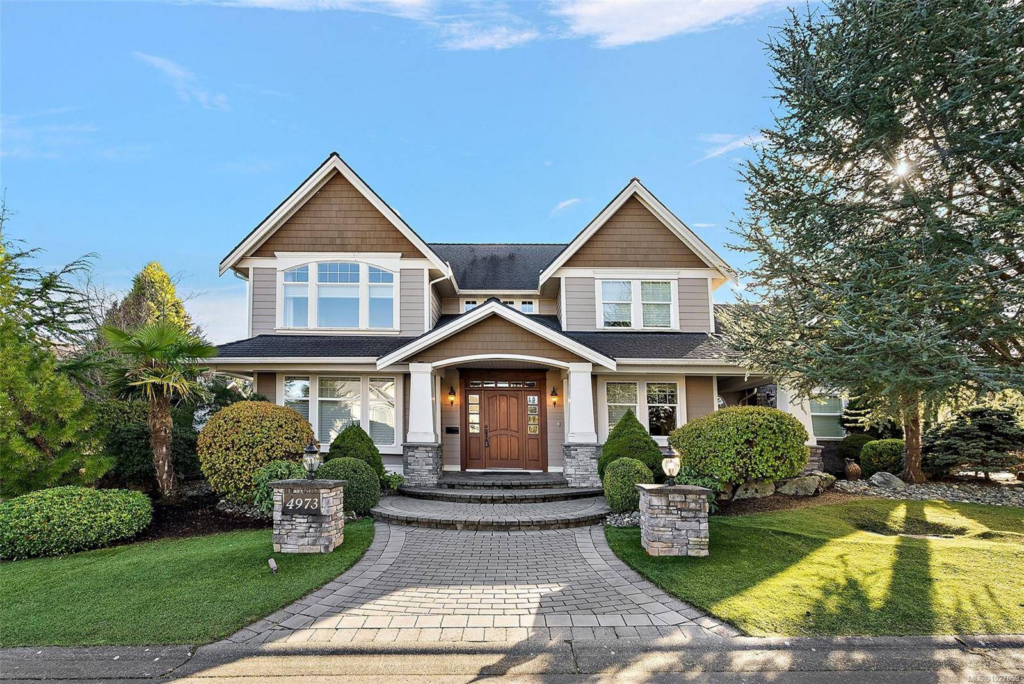
Current data from Bankrate underscores this challenge: over 75% of homes on the market are now unaffordable for the typical household. This means that most Americans are tens of thousands of dollars short of what’s needed to purchase a median-priced home. To comfortably own a typical property in most markets across the United States, a household income of at least six figures is often required, yet the average American salary hovers around $64,000. This disparity transforms homeownership from a widely accessible milestone into an increasingly elusive luxury.
The confluence of persistently high home prices – still roughly 50% higher than pre-pandemic levels – and elevated borrowing costs has fundamentally altered the definition of a “starter home.” Today’s buyers, burdened by higher mortgage payments, can afford approximately 30% to 40% less house than they could just a few years ago. This harsh reality has forced many to significantly temper their expectations, consider relocating to more affordable regions, or postpone their dreams of homeownership indefinitely.
The extreme cost of living in major coastal metropolitan areas like New York City, Los Angeles, Miami, San Francisco, San Diego, and San Jose has rendered even median-priced homes unattainable for households earning the local median income, even with hypothetical zero-interest mortgages. This highlights the systemic issues that extend far beyond interest rates, encompassing local economic factors, job markets, and property taxes.
James Schenck, CEO of PenFed Credit Union, aptly summarizes this multifaceted challenge: “While lower rates certainly help, they are just one piece of a far more complex puzzle that includes inventory shortages, wage stagnation, and rising insurance and tax costs. In other words, housing affordability is about more than just the Fed—it’s about the full ecosystem of access and equity.”
What Buyers Can Expect in 2026: Navigating a New Landscape
Looking ahead to 2026, economic forecasts offer only modest optimism for improved housing affordability. While analysts anticipate a slight dip in mortgage rates compared to 2025 levels, this incremental reduction is unlikely to move the needle significantly for the majority of aspiring homeowners. Restoring broad-based affordability would require one of three highly improbable scenarios: a dramatic plunge in mortgage rates to the mid-2% range, a substantial surge in household incomes exceeding 50%, or a significant, roughly one-third decline in home prices.
Sean Roberts, CEO of offsite construction company Villa, shares a pragmatic outlook: “We see the housing market remaining relatively stuck without major progress being made on affordability until we see income growth rapidly accelerate—unlikely—, mortgage rates decline very materially—unlikely—, home prices come down materially—unlikely.”
This outlook underscores the need for potential buyers to recalibrate their strategies and expectations. The era of easily accessible, low-cost homeownership has been replaced by a more challenging market dynamic. However, the potential cooling of the mortgage rate lock-in effect, as highlighted by Nick Gerli’s analysis, presents a unique opportunity. For those who have been waiting for a sign of increased inventory, this might be it.
For potential homebuyers in 2026, here are key considerations:
Focus on Affordability in Your Target Markets: Research cities and regions where home prices and cost of living align with your financial capabilities. Consider areas that may not be the traditional “hot spots” but offer a better quality of life and affordability.
Explore Down Payment Assistance Programs: Many local and state governments, as well as non-profit organizations, offer down payment assistance programs and grants for first-time homebuyers. These can significantly reduce the upfront financial burden.
Improve Your Credit Score: A higher credit score not only improves your chances of loan approval but also qualifies you for better interest rates. Focus on paying down debt and maintaining responsible credit habits.
Understand Your Budget Holistically: Beyond the mortgage principal and interest, factor in property taxes, homeowner’s insurance, potential HOA fees, and ongoing maintenance costs. These can significantly impact your monthly housing expenses.
Be Prepared for Competition, but with Potential for More Options: While bidding wars may not disappear entirely, an increase in inventory could lead to more balanced negotiations. Be ready to act decisively when the right property emerges.
Consider Different Housing Types: Explore townhouses, condominiums, or even manufactured homes in certain areas, which can offer more affordable entry points into homeownership.
Stay Informed on Market Trends: Keep a close eye on mortgage rate fluctuations, local market conditions, and new inventory. Real estate professionals can be invaluable in navigating these dynamics.
The U.S. housing market is in a period of transition. The historical impact of sub-3% mortgage rates is diminishing, creating a potential catalyst for increased inventory. While the broader affordability crisis persists, understanding these evolving dynamics is crucial for anyone aspiring to own a home. The path to homeownership in 2026 may require strategic planning, flexible expectations, and a deep understanding of the factors at play.
If you’re ready to explore your options in today’s dynamic housing market and understand how these shifts might impact your personal homebuying journey, now is the time to connect with a trusted local real estate professional. Taking the first step towards understanding your unique market position and financial readiness can make all the difference in turning your homeownership dreams into reality.